
Drivers in Canada Face Licence Suspension – Drivers across Canada are being urged to stay informed as new licence regulations come into effect from 15 December, introducing a significant $680 suspension fee for individuals who fail to comply with updated driving rules. This change is part of a national effort to improve road safety and reduce administrative delays related to expired or invalid licences. The new policy aims to ensure that all Canadian drivers maintain valid documentation and meet renewal requirements on time. Understanding these updates is essential for avoiding penalties and staying compliant with the country’s transportation standards.
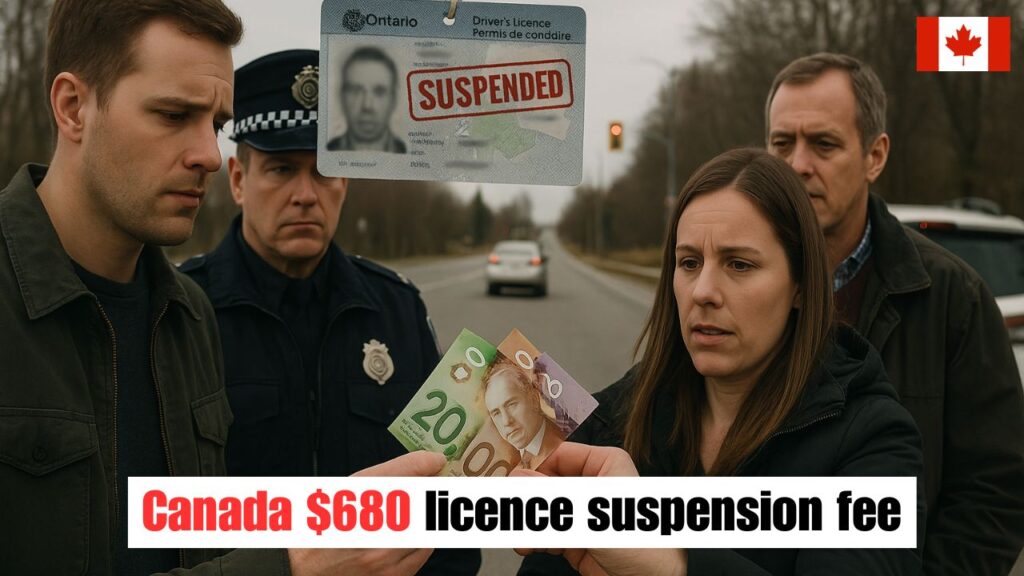
Licence Suspension Fee Update for Canadian Drivers
The newly announced licence suspension fee update is creating major discussions among Canadian drivers, as the $680 charge will apply to anyone whose licence becomes invalid due to missed renewal deadlines or non-compliance with the revised regulations. The Canadian government introduced this update to encourage timely renewals and reduce road risks caused by outdated credentials. Drivers must now pay closer attention to renewal notifications and maintain accurate personal information to prevent unexpected suspensions. This change is also expected to streamline administrative processes and improve overall safety by ensuring that all active licences accurately reflect current legal requirements.

Driving Rule Change Affecting Citizens Across Canada
The driving rule change taking effect for citizens across Canada from 15 December emphasizes greater responsibility for maintaining valid licences. Under this revised framework, any lapse in renewal could automatically trigger the $680 suspension fee, placing additional pressure on drivers to stay vigilant. The government has stated that these changes were designed to reduce inconsistencies in provincial documentation systems and strengthen enforcement measures nationwide. By promoting accountability, this rule aims to protect not just individual drivers but also pedestrians, passengers, and communities that rely on safer roads.

| Update Category | Details |
|---|---|
| New Suspension Fee | $680 penalty for expired or invalid licences |
| Effective Date | 15 December |
| Who Is Affected | All Canadian drivers with renewal lapses |
| Main Purpose | Increase compliance and improve road safety |
| Action Required | Renew licence on time and update personal details |
Renewal Compliance Measures for Drivers Throughout Canada
Renewal compliance measures for drivers throughout Canada are now stricter, with automated reminders and enhanced verification processes being implemented at provincial licensing centres. These measures are intended to reduce the number of drivers operating with outdated licences and help authorities track documentation more effectively. The introduction of the $680 suspension fee reinforces the importance of ensuring all credentials remain valid year-round. Drivers are encouraged to check renewal dates, update addresses promptly, and make use of online renewal services to avoid penalties. By focusing on compliance, Canada aims to create smoother administrative procedures and safer roadways for all.
Driver Documentation Requirements for Canadians
Driver documentation requirements for Canadians are also being tightened to align with the new rule change. Provinces are standardizing verification practices and requiring consistent proof of identity, residency, and past driving records before licence renewals can be processed. These updates are intended to reduce errors, prevent fraud, and ensure every active licence is legally valid and up-to-date.
Frequently Asked Questions (FAQs)

1. When does the $680 licence suspension fee begin?
The $680 suspension fee begins on 15 December under the new rule change.
2. Who must pay the suspension fee?
Any driver in Canada with an expired or invalid licence may be required to pay the fee.
3. How can drivers avoid the new penalty?
Drivers can avoid penalties by renewing their licences on time and updating personal details.
4. Does this rule apply to all provinces?
Yes, the updated regulation impacts drivers across all Canadian provinces.